When VAR was introduced into football, it was seen as a big step forward for the game. The purpose was clear , to help referees make better decisions and reduce obvious mistakes. Football is fast, and referees are human. They cannot see everything perfectly in real time. So bringing technology into the game sounded like a smart solution.
But now, a few years later, many fans are starting to ask questions.
Is VAR really helping referees? Or is it slowly taking over their responsibility?
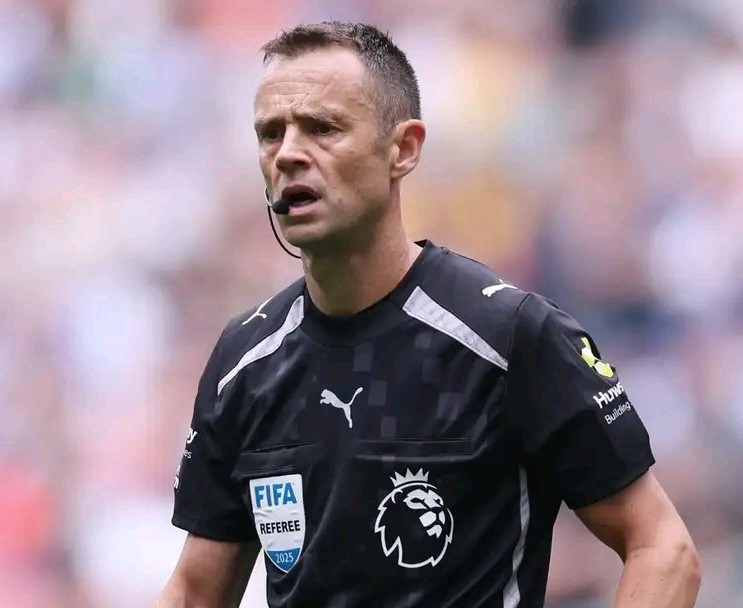
In competitions like the Premier League, it is becoming very common to see referees delay big decisions. Sometimes, even when a situation looks clear, officials seem unsure. They allow play to continue, knowing that VAR can always step in later. This safety net may be useful, but it also seems to be reducing the confidence of referees to trust their own eyes.
The problem becomes even more obvious in competitions where VAR is not used in the early stages, such as the FA Cup and the EFL Cup. In those matches, we suddenly see more clear errors. Simple offside calls are missed. Goals are wrongly ruled out. Fouls inside the box are not given.
It makes you wonder, have referees become too used to relying on technology?
Recently, during a cup match, Rio Ngumoha scored a late goal for Liverpool FC. It was around the 90th minute, and it could have added to the excitement of the game. However, the goal was ruled offside. Many fans believed it was actually onside. Without VAR available to review the decision, the assistant referee’s call stood. Situations like this create frustration and raise serious concerns.
Referees at the highest level are highly trained professionals. They work for years to reach that stage. They study positioning, movement, and decision-making. Because of that, they should be able to confidently make clear onside or offside decisions without always depending on VAR. Technology should assist in very difficult or controversial moments, not in every simple situation.
Football is loved around the world because of its passion, speed, and unpredictability. The human element is part of what makes the game special. Referees making quick decisions under pressure is part of the drama. But if every tight call must be checked by a video room, the authority of the referee begins to feel weaker.
Another concern is the flow of the game. VAR reviews sometimes take too long. Players lose momentum. Fans inside the stadium wait in confusion. The excitement of celebrating a goal is reduced because everyone is waiting for confirmation. That emotional delay changes the experience of football.
This does not mean VAR is completely bad. It has corrected many serious mistakes. It has helped ensure fairness in important matches. But the balance is very important. Right now, it feels like the balance is shifting too much towards technology.
If referees continue to rely heavily on VAR, they may slowly lose confidence in their own judgment. And if that happens, the game could change in a way that many supporters do not appreciate.
VAR was introduced to support referees, not to replace them. The question now is whether football can find the right balance before the whistle becomes secondary to the screen.