
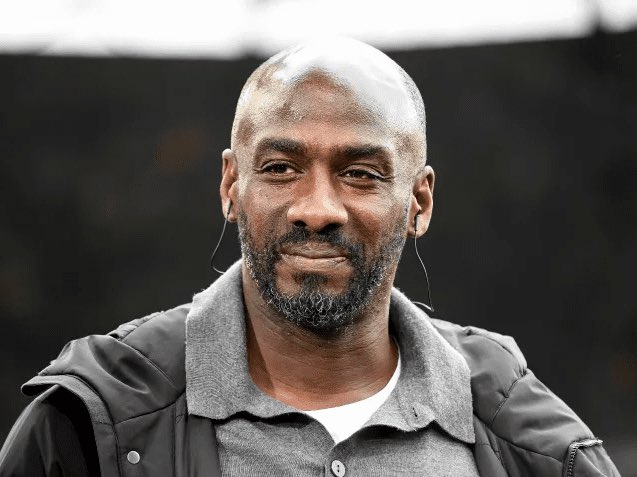
The Ghana Football Association must be held accountable for the process that led to the appointment of Otto Addo as head coach of the Black Stars.
At the time Ghana was searching for a new coach to lead the team back to its glory days, clear criteria were publicly outlined by Kurt Okraku and the leadership of the GFA. The expectations were not vague—they were specific and demanding:
1. A proven winner at the highest level of men’s football.
2. A clear football philosophy aligned with the Ghanaian identity.
3. The highest coaching qualifications, backed by at least 15 years of experience.
4. A strong track record in team rebuilding, organization, and youth development.
5. Demonstrated discipline, tactical intelligence, and leadership.
Ghanaians were assured that these standards would guide the selection of a capable and deserving coach.
Yet, despite these criteria, Otto Addo was appointed and tasked with restoring pride to the national team.
This raises a fundamental question: Did he meet those requirements?
The honest answer is no.
So why was he appointed? That is a question only Ghana Football Association and Kurt Okraku can answer.
From the outset, many Ghanaians hoped he would grow into the role—learn, adapt, and improve with time. But as things stand, that progress has not materialized. Instead, persistent tactical shortcomings have become evident
Failing to qualify for the Africa Cup of Nations should have been a major warning sign. Rather than addressing the core issues, the response from leadership appeared misdirected, focusing more on public criticism of players than on structural or technical accountability.
More concerning is Otto Addo’s own admission in a recent press conference ahead of a clash against Germany—that he does not have a defined playing style and instead adapts to opponents. This directly contradicts the GFA’s stated requirement for a coach with a clear football philosophy.
For a football nation like Ghana, lacking a defined identity on the pitch is not just worrying—it is unacceptable. Without a clear style of play, the team becomes reactive rather than proactive, constantly adjusting instead of imposing itself.
There are also concerns about communication. A national team coach does not just address journalists—he speaks to an entire nation. Tone, clarity, and accountability matter. At times, Otto Addo has struggled in this regard.
To be clear: Otto Addo is a problem, but he is not the problem.
The deeper issue lies with the Ghana Football Association and its leadership. They set the criteria, yet failed to adhere to it. They made the appointment, and they must take responsibility for its consequences.